Key Takeaways
- Brand activation creates direct, two-way interaction, while marketing campaigns typically focus on broader awareness and messaging.
- Successful activations turn passive audiences into active participants through memorable brand experiences.
- Brand activation can be offline, digital, or hybrid depending on the audience, objective, and desired experience.
- Activations are particularly useful for product launches, new-market entry, deeper customer engagement, and creating campaign buzz.
- Success should be measured through participation, leads, conversions, social sharing, brand recall, and customer sentiment.
Introduction
Most business owners interchangeably utilise "brand activation" and "marketing campaign" as though they mean the same thing. They don't. Yes, both aim to promote a brand and cost money. However, they serve radically distinct goals and curate different customer experiences.
A marketing campaign typically pushes a message out to a large audience. Its fundamental premise is to build awareness through ads, social posts, or emails. In essence, the brand speaks, the customer listens. In stark contrast, brand activation pulls the customer in to create a memorable two-way interaction.
Understanding these distinctions matters for your budget, your strategy, and your results. Let's break down these two marketing verticals, their underlying characteristics and when to employ each one.
What Is Brand Activation?

Brand activation is a marketing approach that drives action through direct customer interaction. The idea is that instead of only telling people about a brand, allow them to experience it through engaging touchpoints like events and product trials.
These memorable moments, in turn, strengthen brand recall and customer relationships.
Thereby building more brand awareness, emotional connection, loyalty, and conversion action.
What is the goal of a brand activation campaign?
Image: Goals of Brand Activation Campaign
Brand activation campaigns revolve around turning people from passive viewers into active participants. Here is a breakdown of its primary goals:
- Create engagement: Brand activation gets people involved. It asks them to do something, not just watch something. This could mean testing a product, playing a game, or taking a photo. The goal is active participation, not passive viewing.
- Encourage participation: The idea is to make the audience feel involved, not just exposed to a message. People remember what they experience. They interact with it, try it and share it.
- Drive immediate action: Free samples, limited-time offers, and in-store demos all push people to act with immediacy. For instance, to sign up, visit a store, register. This immediate response creates momentum and measurable results.
- Build memorable brand experiences: Memorable activations often help the brand stay top of mind and strengthen long-term loyalty and recall.
Explore Bikebear’s Brand Activation Campaign Services.
Brand Activation vs Marketing Campaign: What's the Difference?
A marketing campaign aims to build broad awareness through one-way messages. Conversely, brand activation creates direct engagement through two-way experiences. Furthermore, they both aim at different outcomes. Now let's illustratively explore each key difference in detail.
Brand awareness vs customer engagement
Marketing campaigns predominantly focus on brand awareness. It is broader and message-driven. In practice, the idea is to reach as many people as possible via TV ads, billboards, and social media posts.
Brand activation cares less about reach and more about experience and engagement. Its engagement ethos often leads to loyalty and familiarity. It makes people care. Awareness alone rarely does that.
One-way communication vs interactive experiences
A marketing campaign is a monologue. Your brand speaks, and the audience listens. In essence, you completely control the message.
Conversely, brand activation is a conversation. The audience talks back. They touch, try, and react to your product. This interaction creates emotional bonds that one-way messages simply cannot match. In essence, interactive experiences build better trust.
Long-term brand building vs immediate customer action
Marketing campaigns play the long game. They build recognition over time as repeated exposure creates familiarity. This familiarity turns into trust and preference.
Brand activation serves the short game. It pushes for action right now with samples, demos, and events that all try to convert interest into sales on the spot.
What Makes a Campaign a Brand Activation?
A campaign becomes a brand activation when it does more than deliver a message. In essence, not every marketing effort qualifies as brand activation. Here is what sets it apart.
Audience participation
Brand activation requires tangible action to build connection. The customer must do something, for instance, visit a booth or sample a product.
Without participation, it is just another marketing campaign. The moment people become participants rather than viewers, you have moved into brand activation territory.
Experiential or interactive elements
Brand activations should be felt. This could be through touch or sight through interactive mediums like games, quizzes or even augmented reality. Sensory experiences make a brand real and tangible.
Measurable customer actions
Measurable customer actions are the specific outcomes the campaign wants to drive. For instance, sign-ups, purchases, social shares, or event attendance.
A true brand activation is usually built with clear calls to action and trackable results. This enables the brand to see whether the experience led to behaviour change.
Online and offline touchpoints working together
Brand activations connect real-world experiences with digital follow-up. For example, an in-person event may employ QR codes or landing pages.
The idea is that the customer journey continues beyond the physical moment. These connected touchpoints create a bigger impact than either one could alone.
What Are the Different Types of Brand Activation?
A brand activation can happen in a physical space, online, or across both at once. The best format largely depends on one’s audience and goal.
Offline brand activation
Offline activations happen in person. They include product demos, pop-up shops, in-store events, and trade show booths. They are best for products that need physical experience and local audiences.
Online or digital brand activation
Digital activations happen through screens. They may include interactive ads, social media contests, AR filters, and virtual events. These work best when aiming to reach large audiences quickly and affordably. It’s especially useful when one wants to drive clicks, sign-ups, UGC, or online participation.
Also read: Digital Brand Activation in Malaysia: How to Run Online Campaigns That Actually Drive Engagement.
Hybrid brand activation campaigns
Hybrid activations combine both online and offline elements. In practice, they combine in-person interaction with online elements like QR codes, livestreams, and social sharing. They work best when you want the impact of a live experience plus the scale of digital distribution.
When Should a Business Invest in Brand Activation?
Brand activation may not always be the right choice. Here is when it makes the most sense.
Launching a new product or service
Brand activations help people understand the offer quickly through demos, trials, samples, or live experiences. This reduces uncertainty and gives customers a concrete reason to pay attention to a new product.
Entering a new market
Whenever entering a new market, brand activations help introduce products in a way that feels local, relevant, and memorable. In practice, it can build familiarity faster than standard advertising since people get to interact with the brand directly.
Increasing customer engagement
Brand activations turn passive audiences into active participants. As such, they are beneficial if a business wants deeper engagement. Interactive campaigns can encourage people to respond, share, attend, or take part in the brand story.
Creating buzz around a campaign or event
Big moments deserve big attention. Brand activation is a strong choice whenever the goal is to generate excitement, social sharing, and word of mouth. Experiential activations can create the kind of moment people talk about online and offline.
How Do You Measure the Success of a Brand Activation?
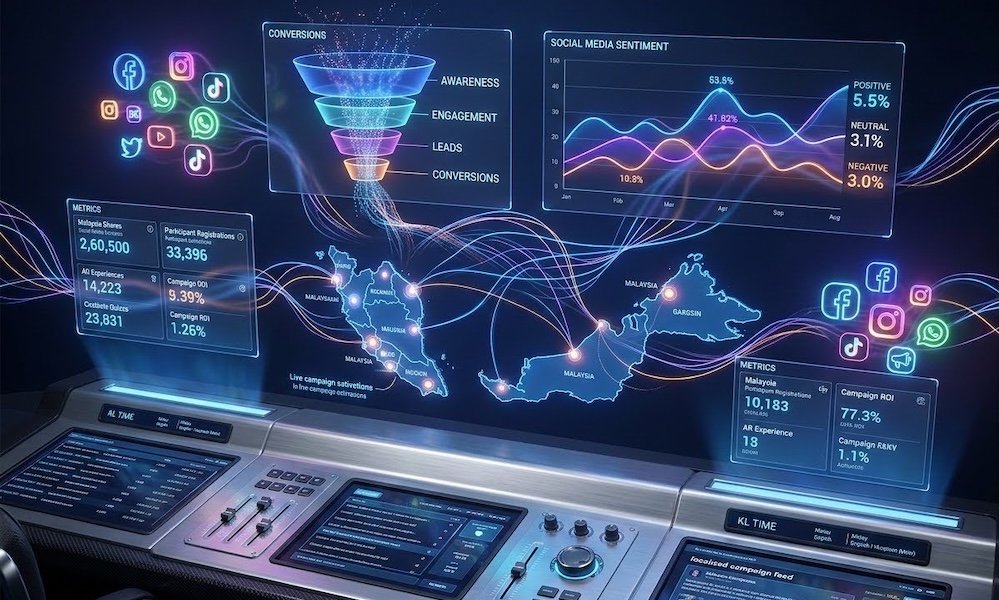
Measuring activation differs from measuring traditional ads. One measures brand activation success by looking at both participation and business outcomes. It’s not just how many people saw the campaign. Here are the key metrics.
Engagement and participation
This measures how many people interacted with the activation and how deeply they got involved. So, track who showed up and how long they stayed. These numbers show whether your activation attracted attention.
Dwell time is critical. The longer someone interacts, the deeper the connection. For interactive experiences, the average dwell time should reach 3-4 minutes per participant.
Leads, sales, or conversions
The best activations drive action. So, track how many participants made a tangible purchase. Count the leads you collected and measure the conversion rate. In retail settings, trained activators often produce 2-4x higher sales lift compared to generic promotional staff.
Social sharing and user-generated content
Good activations get shared. Count the social media posts. So, track the hashtag usage and measure the total reach of user-generated content. Media exposure earned from activations can deliver up to 10x the value of paid media equivalents. This multiplier effect makes activations highly cost-effective.
Brand recall and customer sentiment
Measure how people feel afterwards. This metric shows whether the activation changed how people think or feel about the brand. Brand recall can be measured through post-campaign surveys or lift studies.
Relatedly, sentiment can be tracked through social listening, reviews, and customer feedback. This tracking can help determine whether the response was positive, neutral, or negative.
Do Malaysian Businesses Need Brand Activation?
Yes, many Malaysian businesses can benefit from brand activation. Brand activations help businesses stand out in crowded, price-sensitive markets.
This is because they give customers a real experience of the brand. They also complement broader marketing efforts by turning awareness into engagement. Furthermore, they foster memorable brand recall, which can make campaigns more effective overall.
Conclusion
Brand activation and marketing campaigns both promote a brand. However, a campaign is usually the broader, planned effort that focuses on reach, awareness and conversion.
Conversely, a brand activation is the more hands-on, memorable experience. It aims to turn awareness into a meaningful interaction that brings the brand to life. The key difference is objective and customer experience. Overall, they serve different goals and create different customer journeys.
Malaysia's market is crowded. Standing out grows harder every day. Traditional ads all start to look the same. Brand activation breaks through this noise.
They are no-brainers for Malaysian businesses seeking to build trust and create differentiation. Reach out to us at Bike Bear Malaysia to curate brand activation campaigns that deliver real results. From in-store experiences to hybrid campaigns, we bring your brand to life.