Key Takeaways
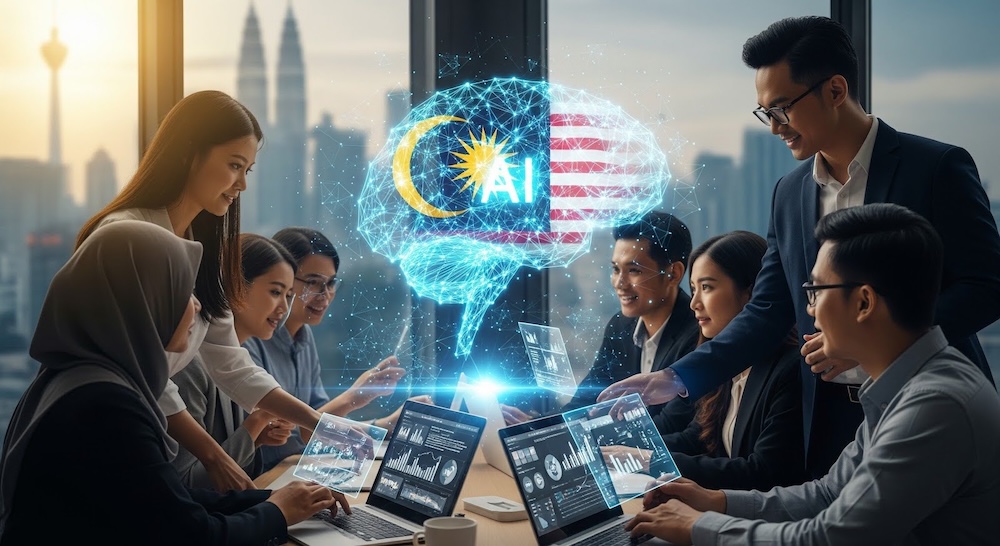
- AI enhances, not replaces: Use AI for research and efficiency, but keep human creativity in control of brand voice and cultural nuance.
- Authenticity is non-negotiable: Malaysian consumers detect inauthenticity quickly—values must be embedded, not performed.
- Social-first is the new default: 83% of Malaysians rely on social platforms for product discovery; brands must feel native to these spaces.
- Local culture matters: Global trends must be adapted for Malaysia's multicultural context across Malay, Chinese, and Indian communities.
- Trust is a competitive advantage: Transparent data practices and genuine sustainability efforts build lasting loyalty.
- Experience beats advertising: Immersive, shareable brand moments outperform static campaigns.
Introduction – Why 2026 Is a Turning Point for Branding in Malaysia
The rules of branding have fundamentally changed. What once revolved around logos, taglines, and advertising campaigns has evolved into a living ecosystem of data, experience, community, and culture.
For Malaysian businesses, 2026 represents a critical inflexion point where three forces converge: AI adoption is accelerating how brands create and connect, consumer expectations for authenticity have intensified, and economic pressures demand smarter investments in brand-building.
Malaysia's digital landscape amplifies both the opportunity and urgency. Social platforms have become the primary arena where Malaysians discover, evaluate, and purchase from brands — blurring entertainment, social connection, and commerce into a single experience.
The businesses that thrive will be those that understand which emerging trends in branding genuinely matter and how to localise global shifts effectively.
This article will discuss 8 of these emerging trends and why Malaysian businesses should not follow but ride on these shifts in branding.
Global Branding Shifts Shaping 2026
Before examining what these shifts mean locally, it's essential to understand the global forces reshaping how brands operate. The important branding trends for 2026 are structural shifts in how brands behave, make decisions, and earn trust.
AI and Data-Driven Branding
Generative AI has moved from experimental novelty to operational necessity. Brands are deploying AI for predictive analytics, automated creative workflows, and real-time content personalisation.
This data-driven branding approach enables brands to anticipate customer needs rather than simply react, but it also raises questions about where efficiency ends and authenticity begins.
Hyper-Personalisation Meets Privacy Concerns
Personalisation at scale has become expected, yet consumers are growing wary of overtracking and data misuse.
The brands winning in 2026 deliver relevant experiences while demonstrating transparent, ethical data practices. This tension is reshaping brand strategy trends worldwide, forcing businesses to earn trust through clarity.
Sustainability as Non-Negotiable
Purpose-led branding has shifted from differentiator to baseline expectation, particularly among younger demographics. Greenwashing is called out instantly on social media, and consumers now demand evidence of genuine commitment: ethical sourcing, supply chain transparency, and measurable environmental impact.
Design and Experience Innovation
Modern branding emphasises motion, immersion, and adaptability. Static logos are giving way to dynamic visual identity systems that flex across platforms.
Motion branding and AR/VR activations are transforming how consumers interact with brands beyond screens. The critical insight for Malaysian businesses: these global shifts must be adapted to local contexts, not simply copied.
With these global forces in mind, the question becomes: what do Malaysian consumers specifically expect from the brands they engage with?
Branding in Malaysia: What Local Consumers Expect From Brands in 2026
The real challenge for branding in Malaysia lies in translating global trends for a market with distinct behaviours and cultural dynamics.
Digitally Saturated, Mobile-First Consumers
Malaysia ranks among Southeast Asia's most connected nations, with the vast majority accessing platforms via smartphone.
According to Sinar Daily, the country has 28.68 million active social media users — 83.1% of the population — with Malaysians spending nearly three hours daily on social platforms. Short-form video, live commerce, and social shopping have become default experiences rather than emerging novelties.

Gen Z and Gen Alpha Are Setting the Pace
Younger Malaysians wield disproportionate influence over brand expectations. They're value-driven and community-minded, with sharp instincts for detecting inauthenticity. For this demographic, a brand's actions matter far more than its advertising claims.
The Demand for Authentic Marketing
Malaysian consumers favour real people over polished campaigns, local voices over generic messaging, and transparent pricing over hidden costs.
Cultural nuance in branding matters deeply, where Malay, Chinese, and Indian communities each bring distinct preferences.
Cookie-cutter content, especially AI-generated material lacking local context, falls flat. For businesses building their foundations, a solid website branding strategy ensures these principles translate into every touchpoint.
Understanding these expectations is one thing, but acting on them is another. Here are the eight trends Malaysian businesses must embrace to stay ahead.
Also read: Branding tips for startups
8 Emerging Trends in Branding for 2026 Malaysian Businesses Can't Ignore
The following trends represent the most significant shifts shaping brand strategy in 2026. Each carries specific implications for Malaysian businesses seeking to compete locally and regionally.
1. AI-Powered, Human-Centred Branding
AI in branding has moved from competitive advantage to operational baseline, with generative AI now assisting everything from visual design to predictive analytics.
For Malaysian SMEs, this levels the playing field, but the real winners use AI for research and data analysis while keeping human creativity in control of brand voice and cultural nuances.
Generative AI branding struggles with local subtleties like code-switching between languages, making human-centred branding essential.
Also read: AI in Branding: What Malaysian Businesses Should Prepare for in 2026
2. Authentic, Values-Based Branding (Beyond "Feel-Good" CSR)
Purpose-led branding has evolved beyond annual CSR campaigns into a core business expectation, with most consumers now buying based on brand values. In Malaysia, this means genuine commitment: supporting #SapotLokal, ensuring halal assurance, and embracing inclusivity across communities.
Brands treating values-based marketing as a checkbox will lose credibility — while those embedding purpose authentically, like POPO's brand transformation, build lasting trust.
3. Social-First, Creator-Led Brand Storytelling
Social-first branding has become central to discovery and loyalty, with platforms like TikTok and Instagram Reels driving how consumers encounter brands.
According to TikTok's Newsroom, nearly 83% of Malaysian consumers rely on social entertainment platforms for product discovery. Gen Z expects brands to feel native to the platforms they use, making UGC-driven branding and authentic brand storytelling essential.

4. Minimalist, Adaptive & Motion-Ready Visual Identities
Static logos are giving way to dynamic visual identity systems designed for flexibility across mobile, video, and physical spaces.
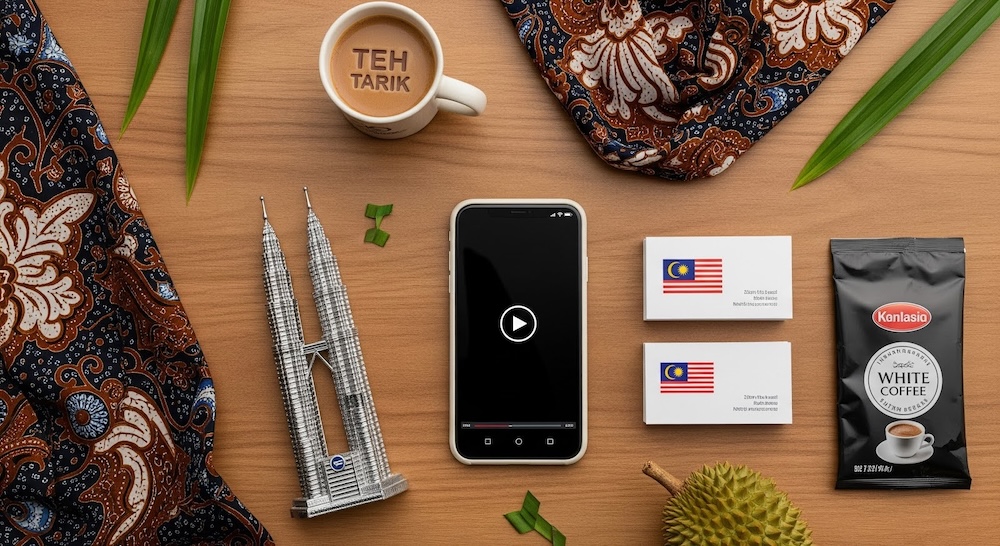
Motion branding and subtle animations expressing brand personality have become essential for digital-first experiences. Malaysian brands can modernise local motifs like batik patterns into adaptive, motion-friendly identities that work seamlessly across touchpoints.
5. Immersive & "Phygital" Brand Experiences
Experiential branding is expanding into immersive activations, blending physical and digital touchpoints. Malaysia's mall culture, café scene, and festival calendar create natural opportunities for AR/VR activations and interactive experiences.
Brands transforming engagement into memorable, shareable moments capture attention in ways static advertising cannot.
6. Community-Driven, Micro-Culture Branding
Mass messaging is fading as brands shift toward niche communities — gaming enthusiasts, K-pop fans, eco-conscious shoppers, and specific income segments each requiring distinct narratives.
The focus is moving from chasing micro-trends toward cultivating consistent "vibes" resonating with particular communities. Malaysian brands showing up authentically within these groups build loyalty that broad campaigns struggle to achieve.
7. Sustainability, Ethics & "Conscious Premiumisation"
Sustainability branding has moved from "nice to have" to a purchase driver, especially among younger urban Malaysians expecting transparency about sourcing and environmental impact.
This creates space for "conscious premiumisation" — brands charging more by delivering genuine ethical value. Brand differentiation lies in connecting sustainability to verifiable behaviours rather than greenwashing claims.
8. Data, Privacy & Trust as Brand Assets
As hyper-personalisation becomes standard, consumer anxiety around privacy is growing, making brand transparency a competitive advantage.
For Malaysian SMEs, this means treating clear consent practices and honest data usage not as compliance burdens but as foundational elements of authentic branding.

How Bike Bear Helps Malaysian Brands Ride (Not Chase) the Trends
Not every branding trend deserves your attention. The difference between brands that thrive and those exhausting resources chasing fads lies in strategic navigation: knowing which shifts matter for your category and budget.
As a branding agency in Malaysia, Bike Bear helps clients evaluate which brand strategy trends align with their objectives.
Our approach is AI-enabled but human-first — we leverage technology for research and testing while keeping cultural understanding at the centre. We prototype new ideas within the Malaysian context, reducing risk while maintaining brands ahead of competitors still debating whether to act.
Find out more about branding and social media.
The Most Important Branding Trends in Malaysia for 2026
The branding trends 2026 that matter most prioritise trust through transparency, honour local culture over imported playbooks, create memorable experiences, and operate with genuine purpose.
AI will be everywhere, but authentic marketing still beats algorithms — technology works best when it serves human connection rather than replacing it. Malaysian businesses approaching these shifts with strategic clarity will build brands that endure.
Ready to map your 2026 brand roadmap? Get in touch with Bike Bear to start discussing.