Key Takeaways
- Professional website branding builds instant trust and credibility — essential in Malaysia's competitive SME market where buyers judge businesses within seconds.
- DIY approaches might save money initially, but typically cost 2-3× more long-term through rebranding expenses and lost conversions.
- Strong website branding for small businesses delivers measurable ROI through higher engagement, better profit margins, and repeat customer relationships.
- Perception shapes reality—Malaysian consumers make snap judgments about business legitimacy based on website professionalism.
- Strategic website branding transforms your site from a digital brochure into a 24/7 business asset that compounds value over time.
- The optimal approach: start with consistent foundational elements, then scale your brand presence strategically as your business grows.
Introduction
You've probably encountered this debate on Reddit or small business forums:
"Why spend thousands on website branding when I can build a site on Wix or Shopify for free?"
It's a fair question — especially for Malaysian SMEs managing tight cash flow whilst navigating endless digital marketing expenses.
Yet here's the tension: your website often provides the first and only impression potential customers have of your brand. That initial impression directly influences trust, conversion rates, and pricing power.
In Malaysia's increasingly saturated digital marketplace — where buyers compare your site against polished regional and international competitors — strong branding isn't a luxury. It's a signal of reliability and professionalism that determines whether prospects choose you or your competitors.
This article examines whether website branding truly justifies the investment for small businesses. You'll discover what "branding" actually encompasses, how perception drives purchasing decisions, the real ROI of professional design, and how to invest wisely at each growth stage.
What is Website Branding?
Website branding goes beyond colours and logos — it's the strategic process of shaping how people feel about and trust your business online. It combines visual identity, messaging, user experience (UX), and credibility signals into one cohesive story that answers a critical question: "Do I trust this business enough to buy?"
Key components include:
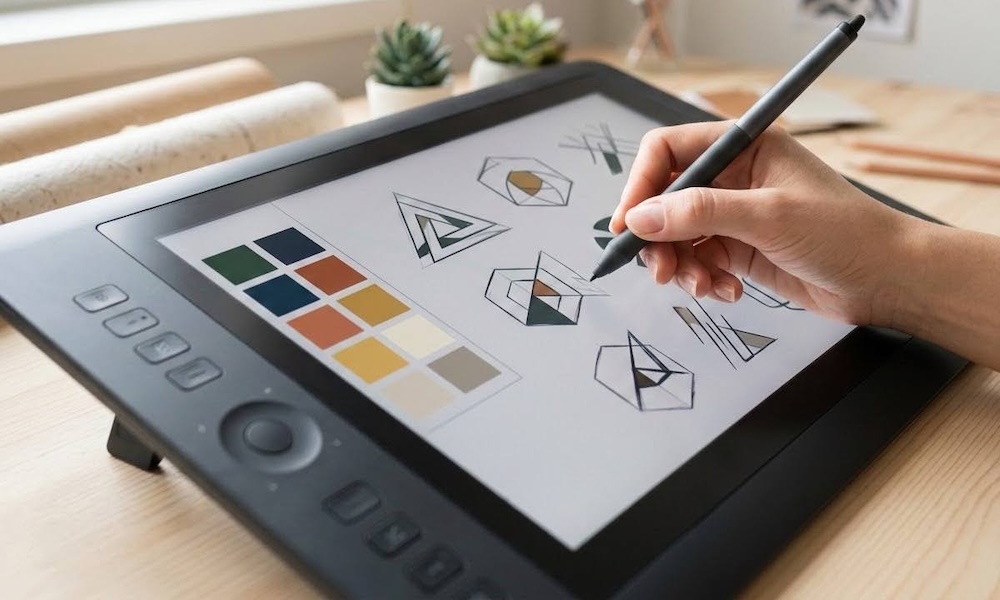
- Visual identity: Logo, typography, colour palette, and imagery that express your brand's personality and values.
- Messaging: Tone of voice, headlines, and calls-to-action that create emotional connections with your target audience.
- UX and navigation: Intuitive layouts that make your site easy to explore, understand, and convert from.
- Trust elements: Testimonials, case studies, certifications, and consistent design signals that build credibility.

Website branding versus web design: Web design focuses on how your site looks and functions. Website branding explains why it looks and feels that way — anchored in strategy, positioning, and perception management.
Learn more in our comprehensive guide: What Is Website Branding?
When executed properly, website branding for a small business turns your site into a conversion engine rather than just an online brochure.
Why Perception and First Impressions Matter in Branding and Website Design for Small Businesses
Psychologically, users form opinions about your business within 0-3 seconds of landing on your site. Those critical moments determine whether they'll explore further or bounce to competitors.
A polished, consistent brand feels trustworthy and premium. A DIY or inconsistent site often feels cheap, confusing, or risky — even when the product quality is excellent.
Example: Two Malaysian SMEs sell handmade candles. One has a cohesive, mobile-optimised site with elegant photography and a consistent messaging tone. The other uses a free template with mismatched fonts and generic stock images. Which one do customers assume offers better quality? Which commands premium pricing?
The answer is obvious, yet many small businesses underestimate this perception gap.
Related reads:
Also read: Branding for Startups: Building an Identity That Investors and Customers Trust in Malaysia
Website Branding as an Investment for Small Businesses: The Advantages
Think of branding not as an expense but as capital you invest in customer perception, conversion optimisation, and future growth potential.
- Better Conversion, Lower Bounce, Increased Engagement: Bike Bear's SME clients typically experience significant improvements in user behaviour within weeks after professional rebranding. Lower bounce rates (by 30-50%) and higher conversion rates result when clear brand stories and UX-focused design guide users toward action, whether that's booking consultations, making purchases, or submitting enquiries.
- Ability to Charge Premium Prices and Better Margins: Strong branding enables confident pricing strategies. When your website communicates professionalism and value clearly, customers become less likely to negotiate on price and more likely to trust your premium positioning. This directly impacts profit margins and business sustainability.
- Stronger Brand Recall and Differentiation: In Malaysia's crowded markets (F&B, retail, e-commerce, professional services), cohesive branding helps you stand out both visually and emotionally. Recognition leads to repeat customers, referrals, and word-of-mouth growth that compound over time.
- Cumulative ROI and Digital Asset Value: A well-branded website appreciates as an asset over time. It ranks better in search results, converts visitors more effectively, and supports all your marketing channels. Unlike advertising spend that resets each month, your website's brand equity compounds through consistent use and refinement.
Explore real transformation examples in Bike Bear's Project Portfolio to see how Malaysian SMEs transformed their digital presence and business outcomes.
Also read: Web Design for Small Business
Long-Term Costs of Skipping Branding and Website Design for Small Business
Many small business owners start with DIY sites—cheap initially but expensive long-term. Here's why this approach often backfires:
- Rebranding costs multiply: When you upgrade later, you'll need to redo SEO optimisation, design assets, and marketing materials from scratch.
- Lost trust and confusion: Frequent rebrands confuse returning customers and undermine brand recognition.
- SEO penalties: Changing site structure, URLs, or visual elements later can hurt search rankings you've worked hard to build.
- Opportunity costs: Time spent managing inadequate websites could be invested in core business activities.

Learn more: What Is Website Rebranding?
Cost comparison scenario:
- DIY approach: RM500-RM1,000 upfront → rebrand after 18-24 months → total investment ~RM8,000-RM10,000 (including lost time, traffic drops, and complete redesign)
- Professional approach from day one: RM5,000-RM7,000 → scalable, consistent, and ROI-positive from launch
See our detailed breakdown: Cost of Branding in Malaysia
Practical Advice for Small Businesses on Website Branding

1. When to Invest?
Recognise the signal thresholds that indicate branding investment timing:
- Your website isn't converting visitors into customers at expected rates
- Your site feels outdated compared to competitors
- Your brand no longer reflects your evolved business positioning
- You're entering new markets or launching significant product lines
- Customer feedback indicates confusion about what you offer
If any of these apply, it's time for a website branding audit to assess gaps and opportunities. Conduct one here: Website Branding Audit
2. How Much to Budget?
As a practical guideline, allocate 5-10% of annual revenue toward branding and website design initiatives. This ensures you balance professional quality with sustainable investment that delivers long-term ROI rather than short-term cosmetic changes.
3. Minimum Viable Branding Elements
Start with consistency across these foundational elements:
- Professional logo and basic variations (horizontal, stacked, icon)
- Cohesive colour palette with defined primary and secondary colours
- A typography system that works across digital and print applications
- A clear brand story or value proposition statement
- Website template or layout that reflects your industry positioning
These elements build a recognisable, trustworthy foundation without requiring massive upfront investment. You can refine and expand as your business grows.
4. Scaling Your Branding and Website Over Time
As your business expands, invest progressively in refined UX research, custom photography, stronger brand messaging, and advanced functionality. Branding should evolve with your company — your website needs annual updates to keep your digital presence fresh and aligned with changing customer expectations and competitive landscapes.
How to Choose a Branding and Web Designer Agency
Selecting the right partner is crucial—this decision shapes your brand's digital backbone. Here's a practical checklist:
Questions to ask potential partners:
- What's your process for understanding my business, audience, and competitive position?
- Do you provide strategic direction, not just visual design execution?
- Can I see ROI metrics or conversion data from past client projects?
- What's included in deliverables (logo files, brand guidelines, CMS access, content training)?
- How do you handle revisions and ongoing support after launch?
- What's your experience with businesses in my industry or market segment?
Red flags to watch for:
- Agencies that focus exclusively on aesthetics without discussing messaging, positioning, or user experience
- "Too good to be true" pricing without transparent deliverable breakdowns
- No local case studies, client testimonials, or verifiable references
- Reluctance to explain their strategic process or provide examples
- Pressure to sign contracts without adequate discovery or consultation
Working with a full-service agency like Bike Bear ensures strategy, design, and conversion optimisation work together cohesively — so your website doesn't just look professional, it performs measurably.
Explore related guides:
Final Thoughts
For Malaysian small businesses, website branding isn't an expense — it's insurance for credibility, differentiation, and sustainable growth in competitive markets.
Investing strategically in professional branding creates a scalable, trustworthy foundation that pays dividends through improved conversion rates, premium pricing power, customer loyalty, and long-term cost savings. The businesses that thrive in Malaysia's digital-first economy understand that brand perception directly impacts bottom-line results.
Whether you're a startup establishing initial market presence or an established SME seeking growth acceleration, professional website branding delivers measurable returns that compound over time.
Ready to elevate your online presence and convert more customers? Contact us to start your project or request a complimentary brand assessment.
Learn more about our comprehensive Branding services in Malaysia.